
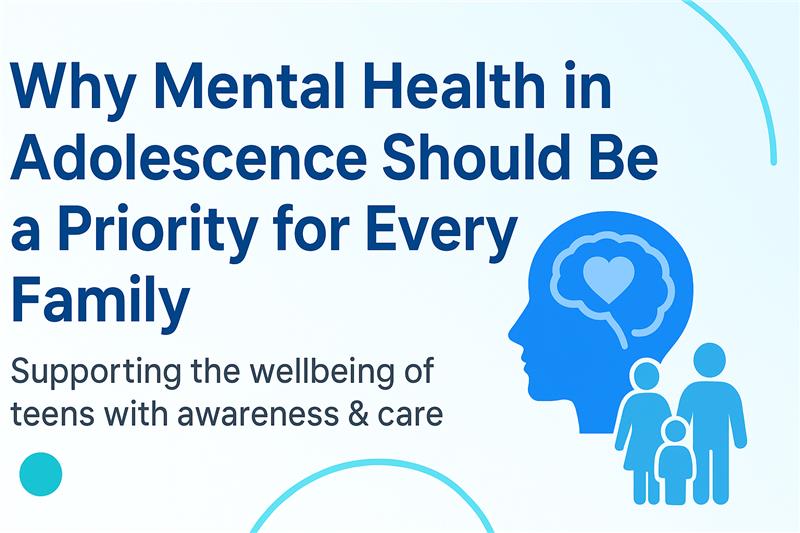
Mental health in adolescence is just as important as physical health. These years are marked by significant changes — emotionally, socially, and physically. Teens often face pressure from school, social media, and relationships, which can affect their self-esteem and mood. As parents, recognizing the signs of emotional distress early can make all the difference.
At Markitech.ca, we believe that when families prioritize their teens’ mental well-being, it helps prevent long-term issues and fosters stronger relationships at home. Supporting mental health in adolescence means giving young people the tools to manage stress, talk openly, and ask for help when needed.

Common Signs Your Teen Might Be Struggling
It’s easy to miss early signs of mental health challenges because they can look like typical teenage behavior. Here are some key things to watch for:
- Sudden changes in mood or energy levels
- Withdrawal from friends or family
- Trouble sleeping or eating
- Loss of interest in activities they once enjoyed
- Falling grades or lack of focus
If you notice a few of these signs, it’s essential to initiate a gentle conversation and offer support rather than judgment.

How Families Can Support Mental Health in Adolescence
You don’t need to be an expert to help your teen. What matters most is that they feel seen, heard, and supported. Here are a few simple but effective steps:
- Listen without interruption: Let them share their thoughts before you respond.
- Create a safe space: Encourage open conversations at home without fear of criticism.
- Promote healthy habits: Regular sleep, a balanced diet, and exercise help balance emotions.
- Encourage offline time: Limit screen time and promote outdoor or creative activities.
- Seek professional help when needed: Talking to a counselor or therapist is a positive step, not a sign of weakness.
At Markitech.ca, we recognize the supportive role technology can play in enhancing mental health during adolescence through helpful tools and digital wellness programmes.

Why Early Support Matters
Supporting mental health in adolescence early helps teens manage anxiety, depression, and stress before these issues become serious. It also teaches them coping skills they can use throughout life. When families focus on emotional well-being, teens learn that asking for help is normal — and that’s a message that lasts forever.
Remember, your attention and understanding can be the key difference in your child’s emotional health and happiness.
FAQs
- Why is mental health in adolescence so important?
Because this stage shapes how young people handle stress, relationships, and challenges in adult life, early support builds lifelong resilience.
- How can parents talk to their teens about mental health?
Start by showing care and curiosity rather than judgment. Ask simple questions, such as “How are you feeling lately?” and listen patiently.
- When should you seek professional help?
If your teen’s behavior or emotions affect daily life for several weeks, consider reaching out to a mental health professional. Early help always works best.
